Financial Literacy Had Its Season. Wealth Governance Is What is Next
High earners are still financially exposed. Families are still leaving nothing structural behind. Businesses are still collapsing when the founder steps away. This is not a knowledge problem anymore. This is a governance problem.

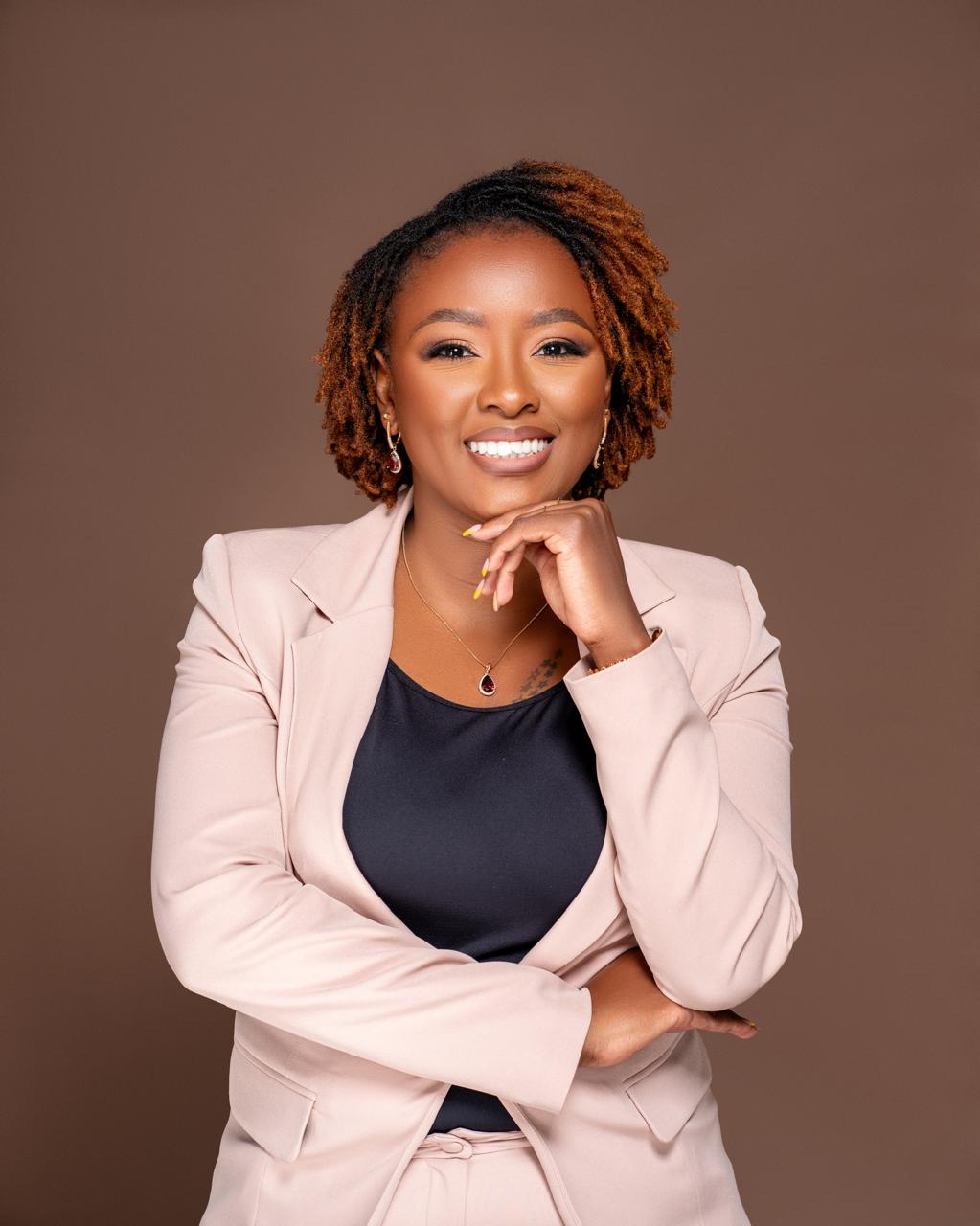
Irene Njogu
3 min read
For the past decade, financial literacy has been the answer to Africa’s wealth gap.
Budget better. Save more. Understand compound interest. Know the difference between an asset and a liability.
And to be fair, that conversation mattered. It still matters. Financial literacy is the foundation.
But foundations are not buildings, and too many African professionals have confused the foundation for the finished structure.
The problem with literacy alone
Financial literacy was designed to inform. And it has done that well.
But informing people is not the same as transforming their financial reality.
Here is the evidence. Despite a decade of financial literacy content, podcasts, books and seminars across the continent-
Only 1 in 4 adults in Sub-Saharan Africa can understand basic financial concepts yet financial literacy programs have run for over a decade. Knowledge has increased. Wealth architecture has not followed. Source: WealthPro Africa / World Bank 2024
The knowledge is there. The architecture is not.
High earners are still financially exposed. Families are still leaving nothing structural behind. Businesses are still collapsing when the founder steps away.
This is not a knowledge problem anymore. This is a governance problem.
Financial literacy shows you the map. Governance teaches you how to drive.
What governance actually means
Governance is not a complicated word. In a business context you already understand it.
It is the system of rules, practices and processes by which something is directed and controlled. It is what ensures money is allocated intentionally.
That risk is identified and managed. That decisions are documented. That there is continuity, even when circumstances change.
Every institution you respect operates under governance. They do not wing it. They govern.
Now ask yourself, does your household operate under governance?
Do you have a structure that allocates your income intentionally? A framework that protects what you build? A plan that ensures continuity if something happened to you tomorrow?
For most professionals, including high earners - the honest answer is no.
And that is not a character flaw. It is a gap in what we were taught.
The four pillars of wealth governance
At EconoImpact Africa , we structure wealth governance under four pillars. Not as four separate tasks, but as one connected architecture.
Make - income clarity and architecture.
Not just how much you earn, but how it flows. Is it structured? Intentional? Does your business income separate cleanly from your personal income?
Multiply - making money work while you sleep.
Investing frameworks, asset allocation, ownership and compounding. The question is not whether you know you should invest. It is whether you have a framework you are actually following.
Protect - the pillar most professionals skip.
Insurance. Emergency funds. Risk governance. Legal structures. What happens to everything you have built if your income stopped tomorrow?
Pass On - legacy by design, not by accident.
Wills, trusts, estate governance. Wealth that cannot outlive you is not generational wealth. It is temporary comfort.
Only 9% of Kenyans are covered by at least one form of social protection - in a country where the top 10% of earners make 23 times more than the bottom 10%. Earnings are not the problem. Governance is. Source: Oxfam Kenya 2025
What this means for you
If you are a professional who earns well but feels financially unsettled - this is the gap.
Not discipline. Not effort. Not income. Architecture.
The next chapter of Africa’s financial story is not about learning more about money. It is about building the systems that govern it.
Financial literacy gave us the vocabulary. Wealth governance gives us the structure.
And structure is what turns what we earn today into what our children inherit tomorrow.
Most people have income. Very few have a wealth system. The difference is governance.